
Cinnamon is one of the world’s most widely used spices, valued for its distinctive aroma, warm flavor, and versatility in the food and beverage industries. However, not all cinnamon comes from the same botanical species or has the same characteristics. The two main categories, Cassia cinnamon and Ceylon cinnamon, differ in botanical origin, appearance, flavor, price, supply availability, and chemical composition.
Understanding the differences between Cassia cinnamon and Ceylon cinnamon helps consumers choose the right product for their needs. For importers, wholesalers, and food manufacturers, this knowledge also supports ingredient selection, quality evaluation, and sourcing decisions.
Overview of Cassia and Ceylon Cinnamon
Names and Origins
Ceylon cinnamon, scientifically known as Cinnamomum verum, is commonly called true cinnamon. It originates primarily from Sri Lanka, which is well known for growing and processing Ceylon cinnamon.
Cassia cinnamon, on the other hand, is a general term for several cinnamon species, including Chinese cassia (Cinnamomum cassia), Vietnamese cinnamon (Cinnamomum loureiroi), and Indonesian cinnamon (Cinnamomum burmannii).
Vietnam is an important cinnamon-producing country in the international market. Vietnamese cinnamon, particularly the variety commercially known as Saigon cinnamon, is valued for its rich aroma and distinctive warm, spicy flavor.
Although both types are widely used as spices, they are botanically different. Identifying the correct species and origin is therefore important for buyers and businesses operating in the spice trade.
Appearance and Texture
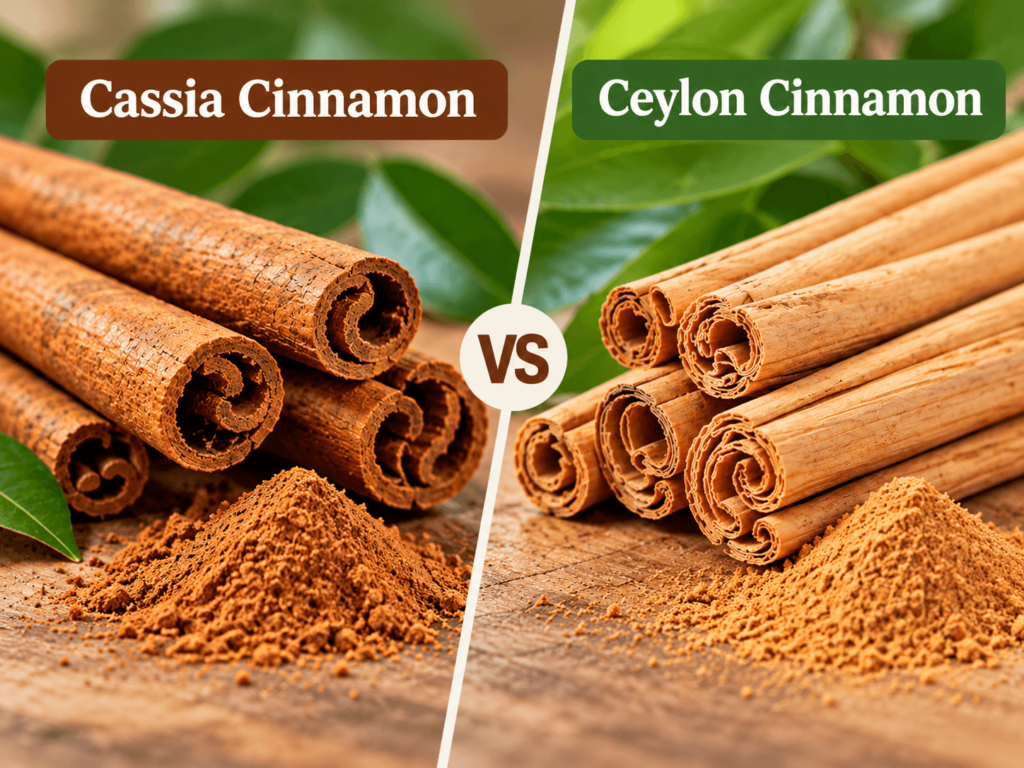
The two types of cinnamon can be distinguished by examining the color and structure of their sticks.
- Ceylon cinnamon:Usually light tan to golden brown, with multiple thin layers of bark rolled together. The sticks are relatively delicate, thin, and brittle.
- Cassia cinnamon:Usually reddish-brown to dark brown, with thicker and harder bark. The sticks generally have a thicker, firmer structure and are more durable during handling and transportation.
These characteristics may vary depending on the cinnamon species, raw material, processing method, and product grade.
Ground cinnamon is more difficult to identify by appearance alone. Buyers should therefore check the product’s origin information, supporting documentation, and test results when accurate identification is required.
Flavor and Aroma
Ceylon cinnamon generally has a mild, delicate aroma and a subtly sweet flavor, with less pronounced pungency. These characteristics make it suitable for dishes and beverages that require a gentle cinnamon note without overpowering other ingredients.
Cassia cinnamon, in contrast, typically has a stronger aroma and a warmer, more intense flavor. Vietnamese cinnamon is particularly valued for its rich fragrance, making it suitable for recipes that require a distinctive cinnamon profile.
Both types have their own advantages depending on the intended application. Ceylon cinnamon is often preferred for products requiring a delicate flavor, while Cassia cinnamon is widely used in bakery products, spice blends, beverages, and large-scale food manufacturing.
Price and Supply Availability
Price Differences
In general, Ceylon cinnamon is more expensive than Cassia cinnamon. This is partly due to its more labor-intensive harvesting and processing methods, particularly the preparation of thin, multi-layered cinnamon sticks. Its origin-specific supply and premium market positioning also influence its price.
Cassia cinnamon is generally more competitively priced and available in a wider range of grades, sizes, and product forms. Its strong flavor and ability to meet diverse commercial requirements make it an important ingredient for food manufacturers and spice distributors.
Actual cinnamon prices depend on several factors, including origin, grade, essential oil content, moisture level, cleanliness, size, processing specifications, packaging, and order volume. Businesses should therefore compare quotations based on equivalent product specifications.
Supply Availability for International Markets
Cassia cinnamon is sourced from several Asian countries, including Vietnam, China, and Indonesia. This diverse supply base gives buyers more options in terms of origin, quality, and product specifications.
Vietnamese cinnamon is worth considering for businesses seeking ingredients with a rich aroma and a variety of processing options. Depending on the supplier, available products may include cinnamon sticks, cigarette cinnamon, split cinnamon, broken cinnamon, whole tube cinnamon, pressed cinnamon, round-cut cinnamon, square-cut cinnamon, and cinnamon powder.
Ceylon cinnamon, meanwhile, is sourced primarily from Sri Lanka. Businesses with specific requirements should confirm the botanical species, country of origin, and product specifications before placing an order.
For international spice sourcing, choosing a reliable supplier requires careful evaluation of consistent quality, traceability, product documentation, supply capacity, and shipping arrangements.
Culinary Uses and Recipes
Both Cassia cinnamon and Ceylon cinnamon are widely used in food preparation. However, their different flavor profiles make them suitable for different applications.
Culinary Uses of Ceylon Cinnamon
Ceylon cinnamon is often chosen for dishes and beverages that require a mild cinnamon aroma, such as:
- Cinnamon tea, coffee, and other hot beverages.
- Oatmeal and breakfast dishes.
- Cakes, pastries, and desserts.
- Stewed fruit and mildly flavored sauces.
Its delicate aroma enhances the overall flavor of a dish without overpowering the natural taste of other ingredients.
Culinary Uses of Cassia Cinnamon
Cassia cinnamon is suitable for recipes that require a stronger and more pronounced flavor, including:
- Cinnamon rolls, cookies, and baked goods.
- Curries, marinades, and sauces.
- Spice blends and food seasonings.
- Stewed fruit, hot beverages, and traditional desserts.
Vietnamese cinnamon sticks and Vietnamese cinnamon powder can be used in bakery products, beverages, food processing, and spice manufacturing. The appropriate product form depends on the recipe, processing equipment, and desired flavor intensity.
Simple Cinnamon Recipe Ideas
- Cinnamon Tea: Simmer a cinnamon stick in water for several minutes, then strain. Add lemon or honey according to taste.
- Cinnamon Oatmeal: Cook oats with milk or water, add a small amount of ground cinnamon, and serve with fruit or nuts.
- Cinnamon-Baked Apples: Slice apples, sprinkle them with an appropriate amount of cinnamon, and bake until tender.
The amount of cinnamon used should be adjusted according to the cinnamon type, flavor intensity, and requirements of each recipe.
Which Type of Cinnamon Offers More Health Benefits?
There is currently insufficient scientific evidence to conclude that Cassia cinnamon or Ceylon cinnamon provides greater overall health benefits. Both contain naturally occurring compounds responsible for their characteristic aromas and have been studied for their potential effects on health.
One notable difference is their coumarin content. Coumarin is a naturally occurring compound found in cinnamon, and Cassia cinnamon generally contains considerably more coumarin than Ceylon cinnamon. Long-term exposure to high amounts of coumarin may pose a risk to the liver in susceptible individuals.
Because it generally contains less coumarin, Ceylon cinnamon may be worth considering for people who consume cinnamon frequently. However, this does not mean that Ceylon cinnamon necessarily provides greater health benefits in every situation.
The appropriate choice depends on the intended use, amount consumed, product quality, and individual health circumstances. Claims about cinnamon’s health benefits should be evaluated carefully because the available scientific evidence remains limited.
Are Ceylon and Cassia Cinnamon Suitable for People with Diabetes?
Both Ceylon cinnamon and Cassia cinnamon can be used as spices in meals for people with diabetes, provided they are consumed in ordinary culinary amounts and fit within an individual’s overall dietary plan.
Some studies have investigated whether cinnamon may help support blood glucose control. However, the findings have been inconsistent, and current evidence is insufficient to establish cinnamon as an effective treatment for diabetes. Cinnamon should not replace prescribed medication, blood glucose monitoring, or professional medical advice.
People with diabetes who are considering concentrated cinnamon supplements or regularly consuming large amounts should consult a healthcare professional, particularly if they take blood-glucose-lowering medication or have liver problems.
Ceylon cinnamon generally contains less coumarin than Cassia cinnamon, but this does not mean that high-dose consumption is always safe. Using cinnamon as a spice in a balanced diet is different from taking it for medicinal purposes.
What Are the Risks of Ceylon and Cassia Cinnamon?
Cinnamon is generally considered safe when consumed in the amounts commonly used in food. However, potential risks vary depending on the cinnamon type, quantity consumed, frequency of use, and individual health conditions.
Risks of Cassia Cinnamon
Cassia cinnamon may contain relatively high levels of coumarin, depending on the species and product batch. Excessive consumption over an extended period may pose a risk to the liver, particularly for people with existing liver disease or increased sensitivity to coumarin.
Consumers should avoid prolonged, excessive intake of Cassia cinnamon without appropriate guidance, especially when using concentrated extracts or dietary supplements.
Risks of Ceylon Cinnamon
Ceylon cinnamon generally contains less coumarin, but this does not mean it is entirely free of risk. Excessive cinnamon consumption or the use of concentrated supplements may cause side effects in some individuals.
Both types may cause digestive discomfort or allergic reactions in sensitive people. Certain cinnamon products may also interact with medications. People receiving medical treatment should consult a healthcare professional before consuming large amounts of cinnamon.
Product Quality Considerations
Cinnamon quality and composition can vary according to species, origin, growing conditions, and processing methods. Buyers should choose products with clear information about origin, composition, and specifications.
For importers and food manufacturers, quality control, traceability, appropriate testing, and compliance with relevant food safety requirements are important considerations when sourcing cinnamon.
Frequently Asked Questions About Cassia and Ceylon Cinnamon
Is Cassia Cinnamon the Same as Ceylon Cinnamon?
No. They come from different botanical species and differ in appearance, flavor, chemical composition, and commercial characteristics.
Is Vietnamese Cinnamon Cassia or Ceylon?
Vietnamese cinnamon, often referred to commercially as Saigon cinnamon, belongs to the Cassia group and is commonly identified as Cinnamomum loureiroi. It is known for its rich aroma and warm, spicy flavor.
Which Type of Cinnamon Is Better for Everyday Cooking?
The answer depends on the recipe and personal preference. Cassia cinnamon is suitable for dishes requiring a strong cinnamon flavor, while Ceylon cinnamon is ideal for recipes that call for a milder, more delicate aroma. Both can be used in a wide range of recipes.
Why Is Ceylon Cinnamon Usually More Expensive?
Ceylon cinnamon generally requires more labor-intensive processing to produce its characteristic thin, multi-layered sticks. Its origin-specific supply and market positioning also contribute to its higher price.
Does Cassia Cinnamon Contain More Coumarin Than Ceylon Cinnamon?
Generally, yes. Cassia cinnamon tends to contain considerably more coumarin, although actual levels can vary among species, products, and individual batches.
Can Cinnamon Help Control Blood Sugar?
Some studies have investigated this possibility, but the available evidence is not conclusive. Cinnamon should not be used as a substitute for diabetes medication or professional medical advice.
How Can Buyers Choose a Reliable Cinnamon Supplier?
Businesses should evaluate botanical identity, origin, product specifications, cleanliness, moisture level, packaging, traceability, and relevant testing documentation. Supply capacity, minimum order quantities, and shipping terms should also be considered when selecting a reliable cinnamon supplier.
Conclusion
The main differences between Cassia cinnamon and Ceylon cinnamon lie in their botanical origins, appearance, flavor, price, supply availability, and coumarin content. Ceylon cinnamon generally has a milder flavor and a higher price, while Cassia cinnamon offers a stronger aroma, competitive pricing, and a wider range of commercial product forms.
For consumers, the choice should depend on taste preferences, recipe requirements, and consumption habits. For importers, wholesalers, and food manufacturers, clear product specifications, reliable sourcing, consistent quality, and supply capacity are important considerations.
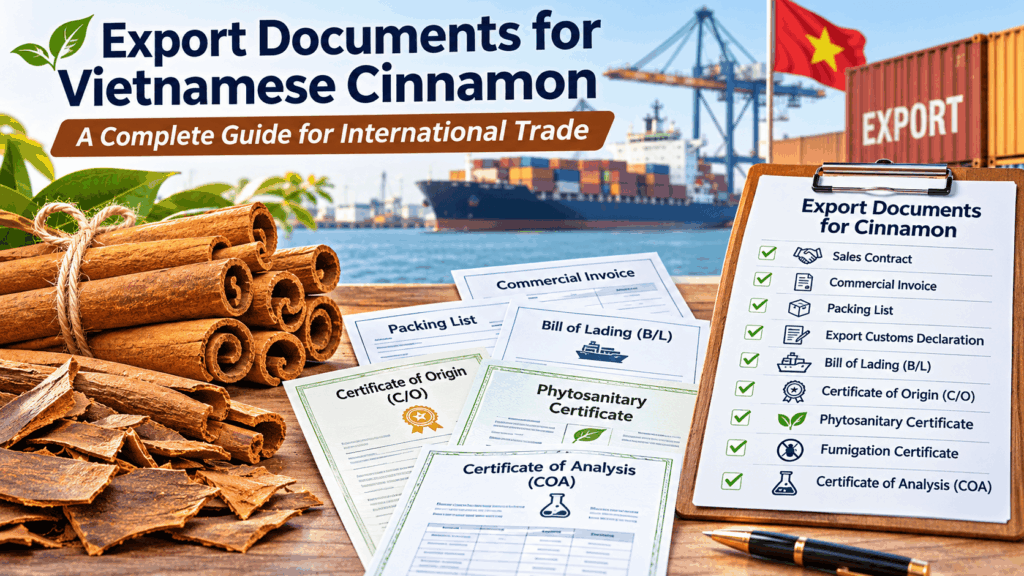
At TOPAX, we offer a wide range of cinnamon products to meet our customers’ diverse needs, including Stick Cinnamon, Cigarette Cinnamon, Split Cinnamon, Broken Cinnamon, Whole Tube Cinnamon, Pressed Cinnamon, Round Cut & Square Cut Cinnamon and Cinnamon Powder.. With a variety of product specifications available, we aim to provide suitable options for different customer requirements and processing applications.
Contact TOPAX today to receive more useful information about our cinnamon products and explore options that best suit your business needs.